


Predictive analytics for account-based marketing (ABM) is something I hear ABM pros talking about, but it isn’t mainstream yet, and so it can be your edge!
And to help you ace it, I researched web and socials to bring you this ultimate guide on predictive analytics in ABM.
And I’ll be focusing less on high-level stuff and more on “do this now and thank me later” tips.
You’ll learn:
Let’s go!
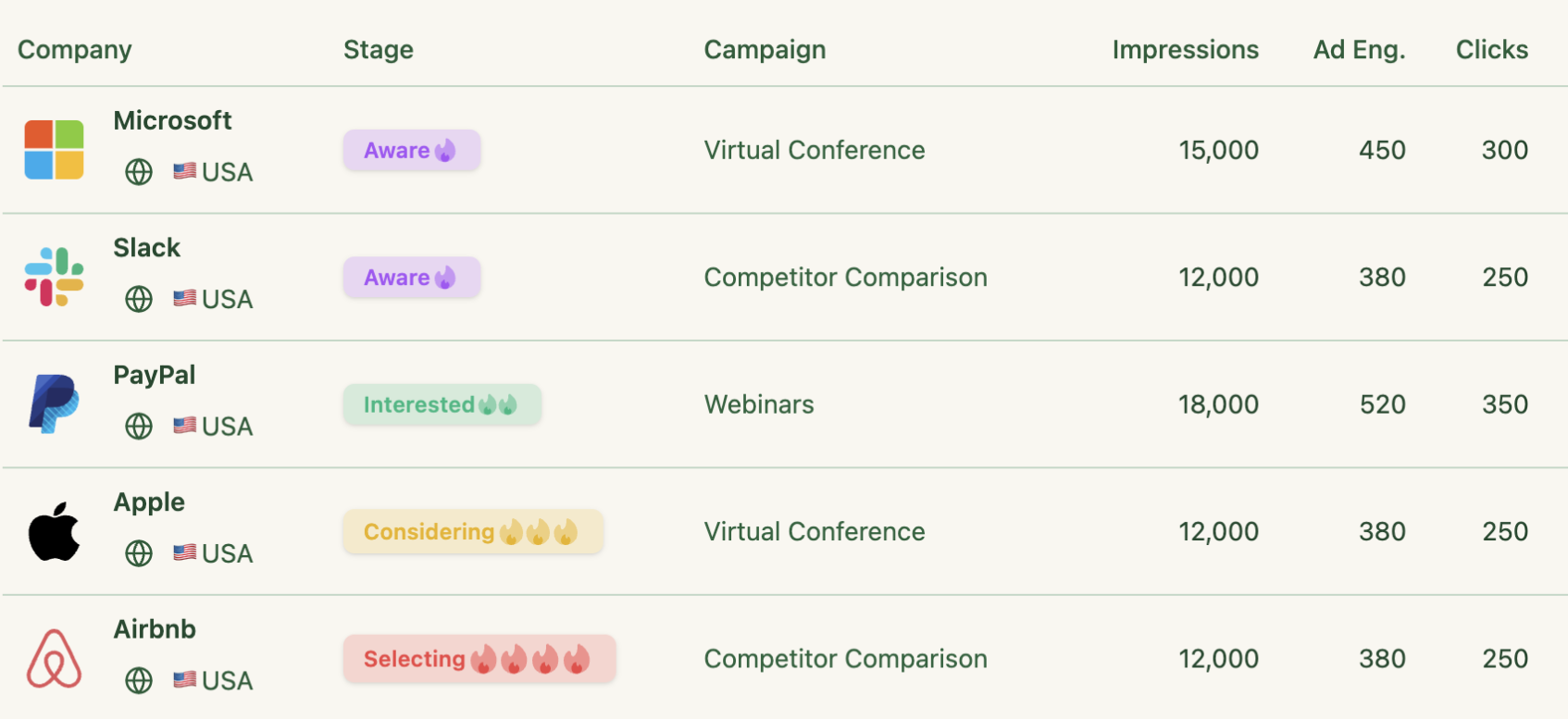

ABM isn’t new.
Savvy B2B teams have been focusing on key accounts for years.
Traditionally, though, most could only manage highly-personalized ABM for their top 20 or 50 accounts.
Scaling beyond that was brutal. In the words of one VP of Marketing who chronicled her first ABM campaign, “it’s brutal… there are no playbooks” for how to operationalize ABM at scale.
Predictive analytics changes that.
Leading marketers have found that the only way to scale ABM to hundreds or thousands of accounts is by adding predictive capabilities to their tech stack.
Why?
Because predictive analytics flips the script from reactive to proactive.
Instead of manually researching and debating which companies might be interested (and usually defaulting to the ones you think are good), predictive models crunch huge volumes of historical data to forecast which accounts are most likely to engage and convert.
Okay, so predictive analytics sounds awesome, but how does it actually work, and do you need a PhD in statistics to use it?
Nope!
See, at its core, predictive analytics in ABM uses historical data plus clever algorithms to predict future outcomes.
It’s about pattern recognition like this: “Our wins tend to be tech companies in fintech with >1,000 employees, that visited our pricing page 3+ times, and whose VP of Engineering engages with our LinkedIn ads. Let’s try to recreate such journeys.”
Once the data is ready, the predictive platform applies machine learning algorithms to find patterns that correlate with conversion or other desired outcomes.
Common techniques include:
Don’t worry, you don’t have to do the math. That’s what predictive ABM tools are for.
Let’s drill down on the foundation of all this: data.
So, what data do you actually need, and how do you get it in shape?
ABM by definition spans marketing and sales, so your data needs to as well.
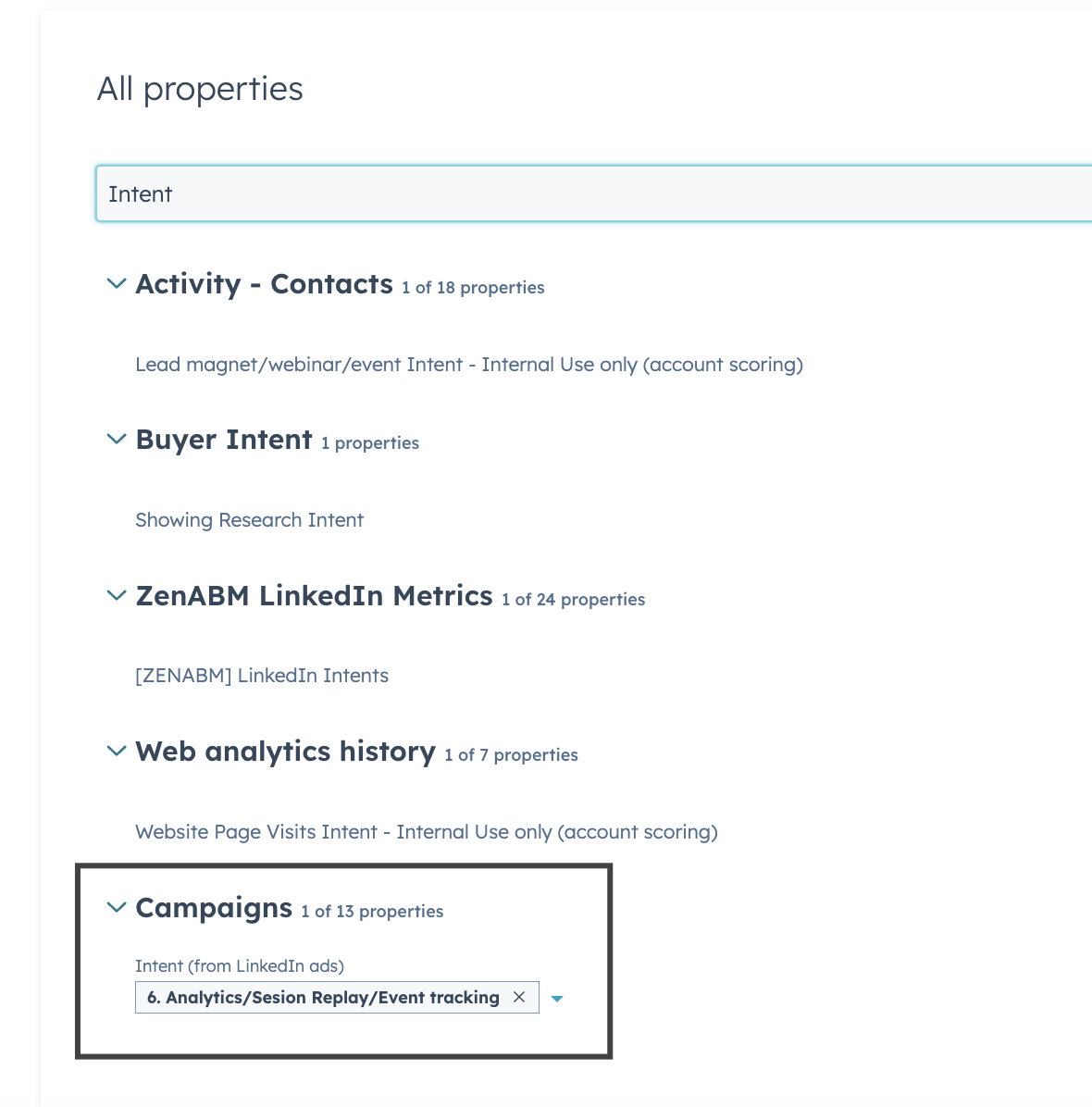
Start by integrating data from your CRM, marketing automation, website analytics, advertising platforms, and any intent data feeds into one view.
Many companies use a customer data platform (CDP) or data warehouse to aggregate this.
At a minimum, ensure your CRM is enriched with key marketing data:
| Data Source | Key Data Points | ABM Value |
|---|---|---|
| CRM & Sales Data | Opportunities, deal history, account demographics, contact roles, past purchases, sales notes | Defines what a successful account looks like and captures past interactions |
| Marketing Automation & Website Data | Email opens/clicks, content downloads, webinar attendance, web visits (pricing/case study pages), form fills, event registrations | Reveals high-intent engagement from target accounts |
| Advertising & Social Data | LinkedIn ad impressions/clicks by account, other ad interactions (via tools like ZenABM) | First-party intent signal showing which accounts interact with campaigns |
| Third-Party Intent Data | Research activity from providers like Bombora, 6sense, Demandbase | Shows accounts actively investigating relevant topics across the web |
| Firmographics & Technographics | Industry, size, revenue, tools/software used (via LinkedIn, ZoomInfo, Clearbit) | Identifies account fit and patterns among the best customers |
| Unified Account Profile | Integrates all the above into one predictive model | Enables a 360° account view for scalable, efficient ABM |
Once you’ve gathered the data, don’t skip this step.
Data quality issues can derail predictive models.
Ensure consistency and accuracy:
Pro Tip: For CRM cleaning, Tarek Reda (Founder at Blue Pencil Marketing Agency) shared his automated workflow:

It runs in the background and keeps your data healthy so you can focus on more important things in predictive ABM.
Clearly delineate which accounts are in play for your ABM efforts, because the model is going to score whatever list you give it.
Most likely, you’ll have an Ideal Customer Profile (ICP) or a few ICP segments that define the kind of companies you want to pursue.
Use that as a filter. For example, if you only sell to the FinTech industry and companies with >200 employees, make sure your account dataset is limited to those.
Predictive analytics can then rank within that relevant universe, rather than suggesting accounts that don’t make sense for your business.
It’s all about feeding in good data!
At Userpilot (product management SaaS), they realized something mid-way in their ABM campaign: certain data (like website visits by target accounts) wasn’t reliable since many visitors were anonymous.
Their fix?
Simplify and lean harder on LinkedIn ad engagement data, which was
clearly tied to accounts.
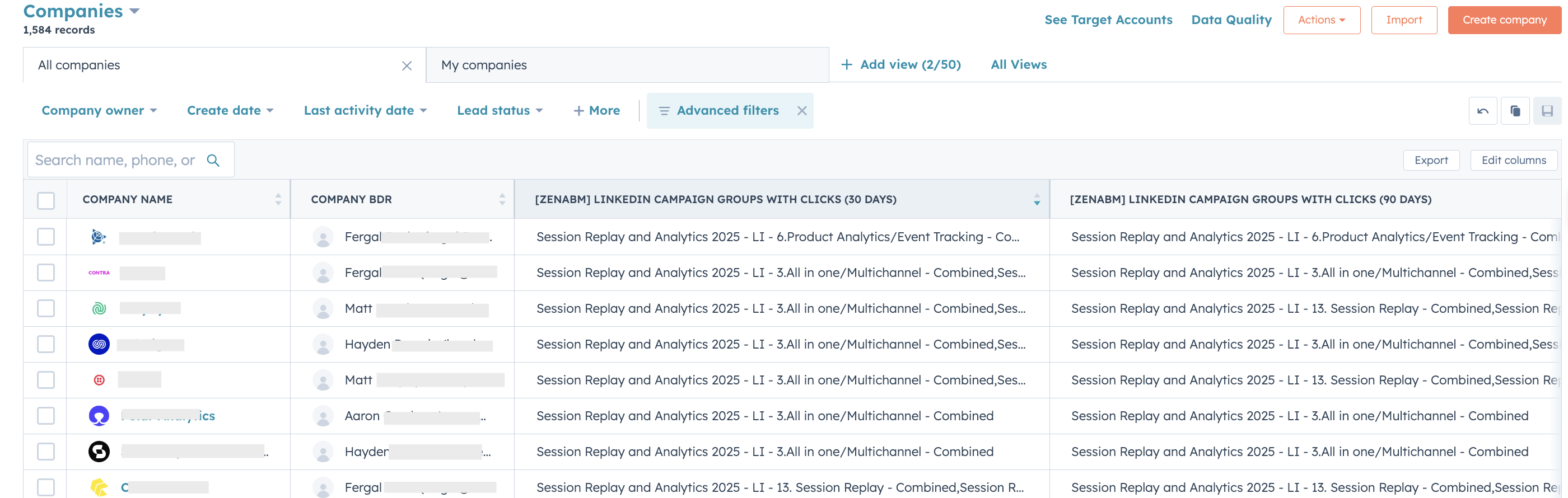
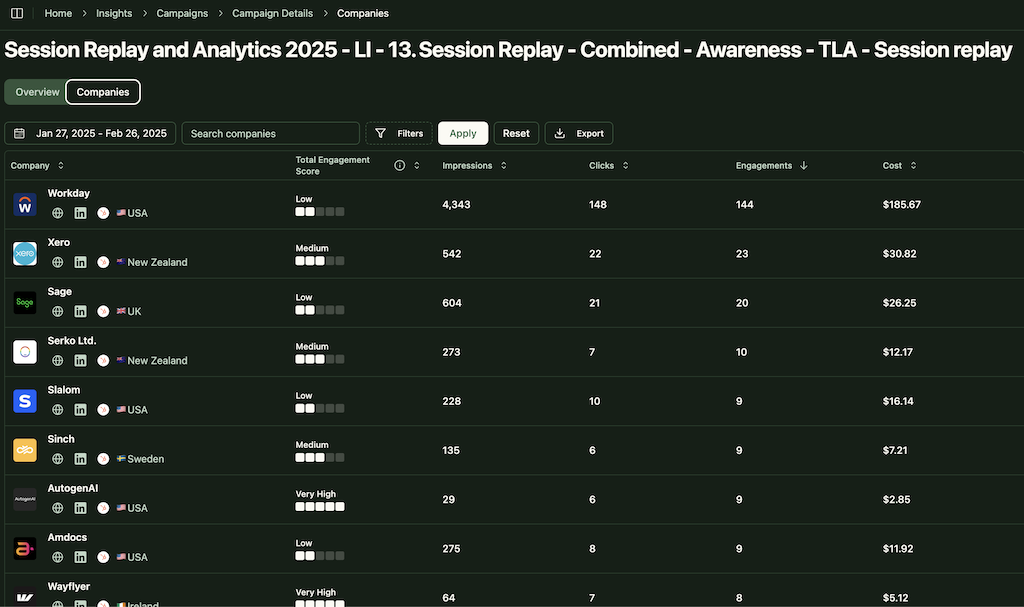
They piped this into HubSpot CRM, first using Fibbler for raw counts, then ZenABM for detailed, campaign-level intent signals.
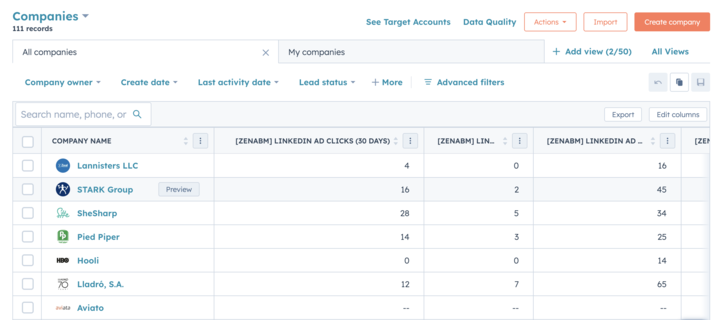
This gave visibility into which campaigns each account engaged with, like whether they clicked ads about onboarding vs. analytics features, providing vital context on
account interests.
That qualitative intent data was stored in CRM fields and armed BDRs for sharper outreach (“Company X is interested in analytics features, so lead with that in your email”).
Takeaway: By getting the right data (1st party LinkedIn intent) in and
scrapping the wrong data (flaky web tracking), Userpilot dramatically improved their ability to score and act on accounts. Feed your predictive model the good stuff.
With clean, integrated data and a predictive model at your disposal, you’ll now get to the fun part: scoring and prioritizing accounts.
Predictive analytics will typically output some form of score, grade, or ranking that lets you stack rank your target accounts from hottest to coldest.
Traditional lead scoring (in marketing automation platforms) often used a few rules: e.g., +10 points if job title is C-level, +5 if they clicked an email, etc.
On the contrary, predictive scoring weighs dozens or hundreds of signals in ways our human brains can’t and it keeps learning.
The outcome for ABM is that every account (and often every contact) gets a score indicating its propensity to convert.
How you interpret and use that score is key:
Note: Keep calibrating. Scores shift as new data arrives; feedback from sales helps retrain models. Treat scores as a compass, not gospel.
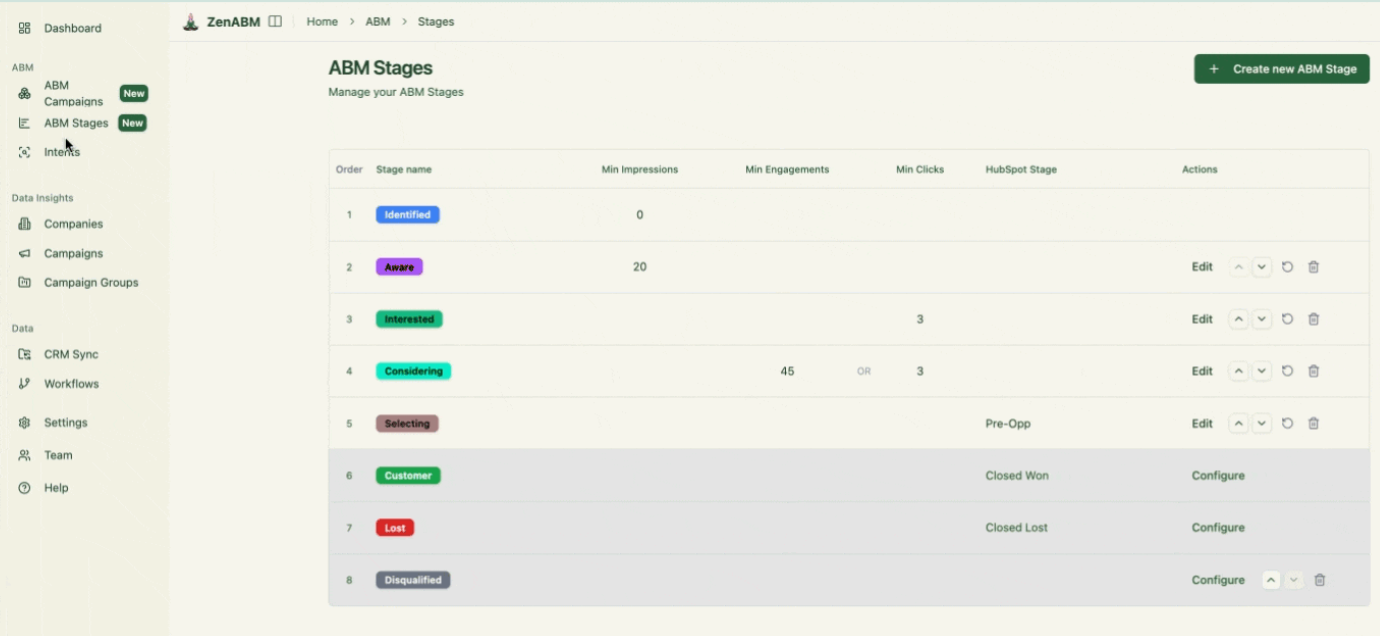
Intent data refers to observable signals that indicate a company is researching or considering solutions related to your product, while predictive analytics shows which accounts are likely to be valuable.
Intent data has two types:
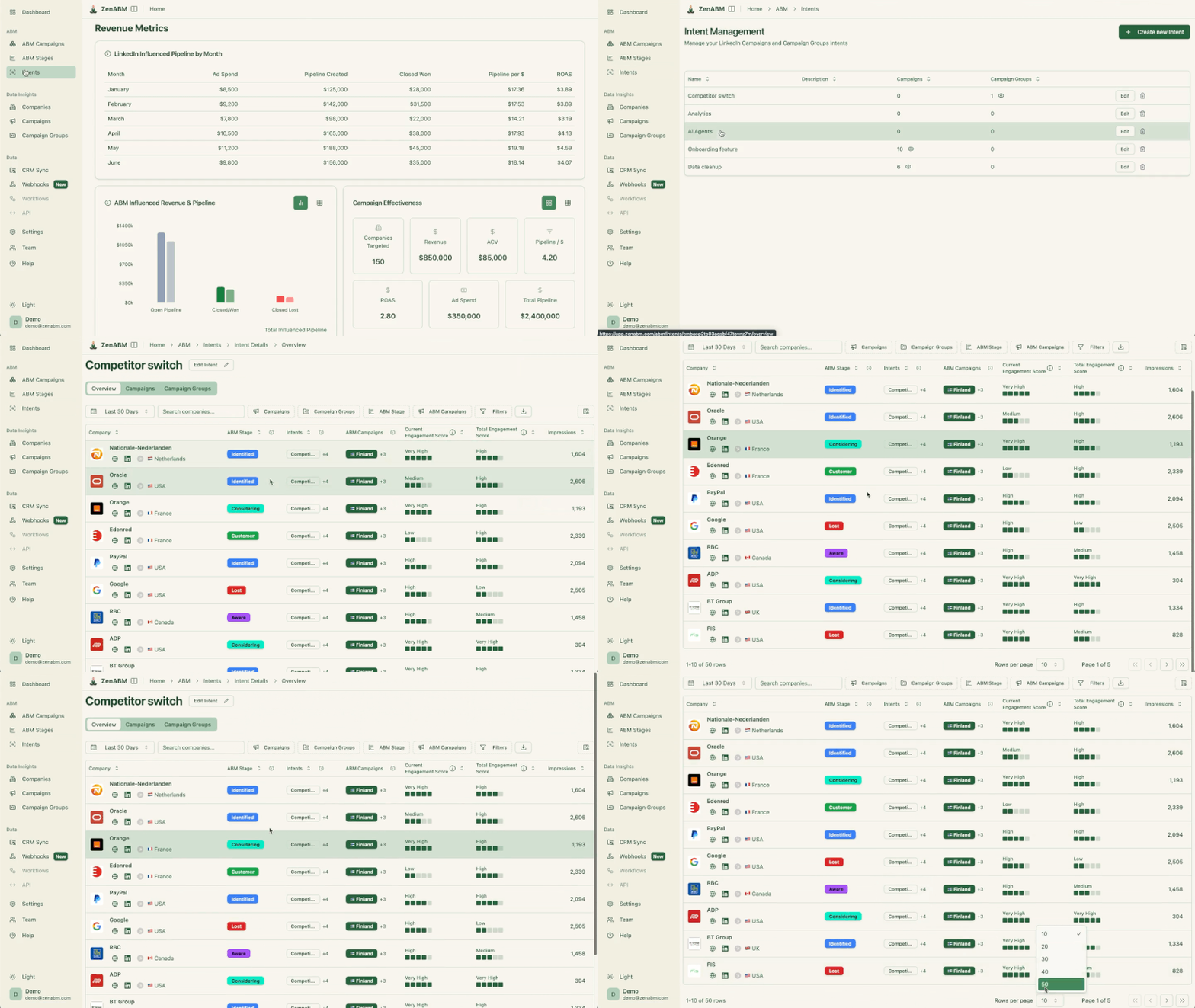
Here’s how intent data helps:
Here’s how you should act based on a combination of predictive analytics and intent data:
Predictive analytics handles the ranking across large lists. Intent data provides a second layer of clarity by showing which accounts are currently active.
Apply like this:
A core promise of ABM is personalization at scale by treating each account with personalized messaging.
Predictive analytics strengthens this by telling you what to say and when to say it.
Here’s how use can use predictive analytics in ABM to personalize your content/messaging, i.e the ‘what to say’ part:
Effective personalization is more than dropping a {{CompanyName}} token.
It’s aligning messaging to known priorities. Predictive-driven personalization has been shown to improve engagement, conversions, and retention.
Timing often determines whether outreach is ignored or accepted.
Predictive ABM improves accuracy here.
Predictive analytics not only improves ABM results, but it also creates better ways to measure them.
The key is to tie metrics directly to business outcomes, so you can prove impact and adjust where needed.
These are the must-track pipeline and revenue metrics:
Conversion and velocity metrics that must be tracked:
Engagement metrics thst must be tracked:
Efficacy stuff that must be tracked:
ROI and efficiency metrics that must be targeted:
Tie outcomes directly to goals:
Add qualitative proof: sales feedback (“the scores point me to my fastest closes”) or customer quotes (“your outreach came exactly at the right time”).
If conversion rates aren’t improving, thresholds may be too low.
If engagement isn’t rising, personalization or content needs work.
Predictive ABM makes the funnel measurable and transparent, but continuous refinement is essential.
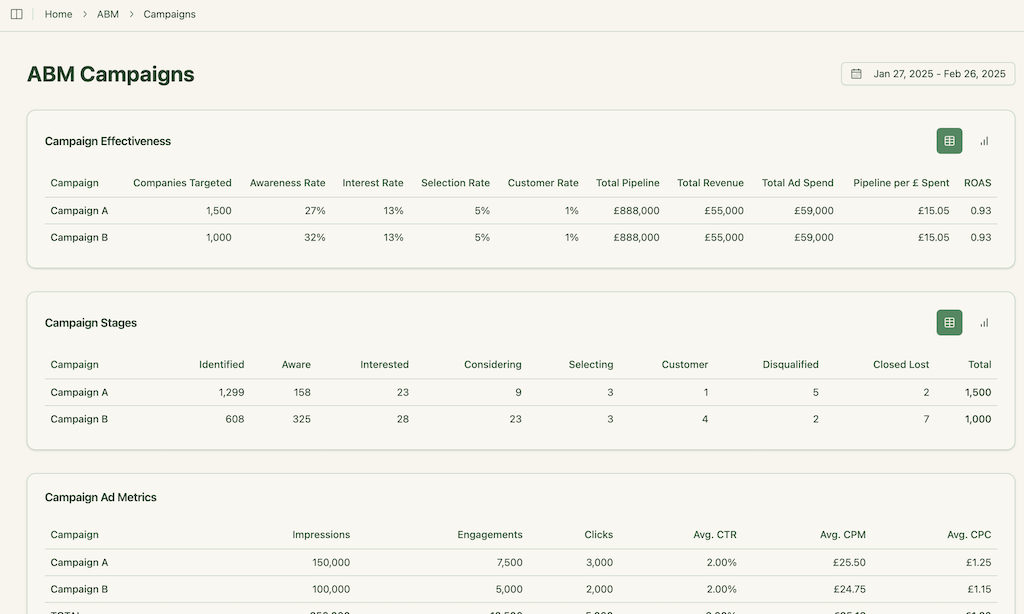
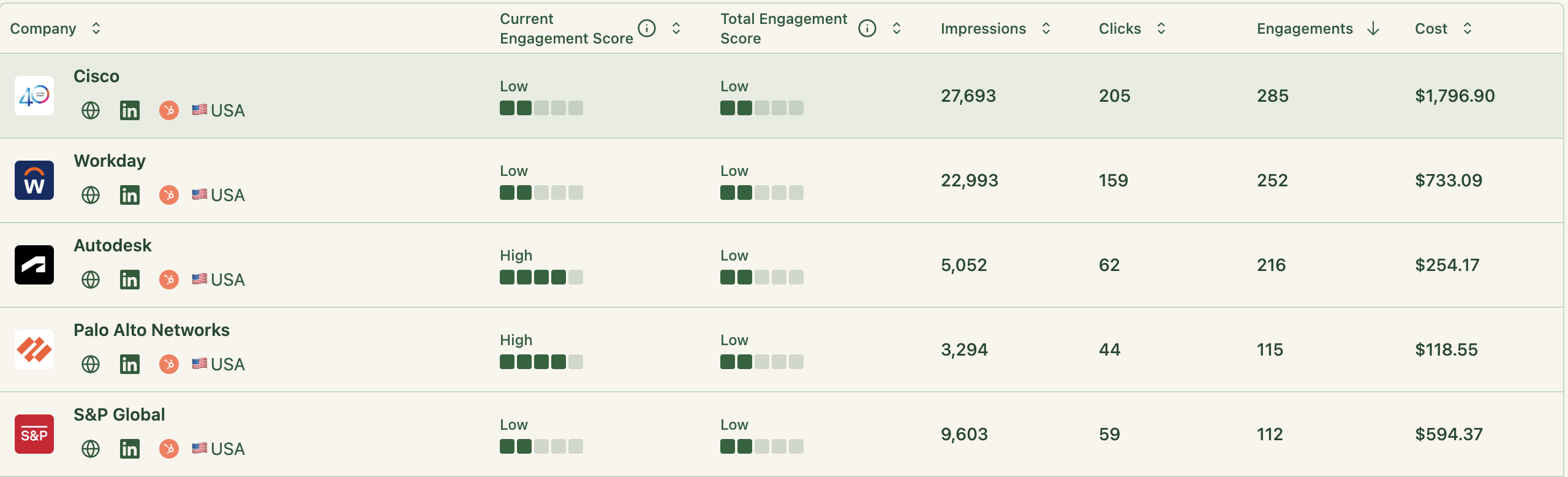
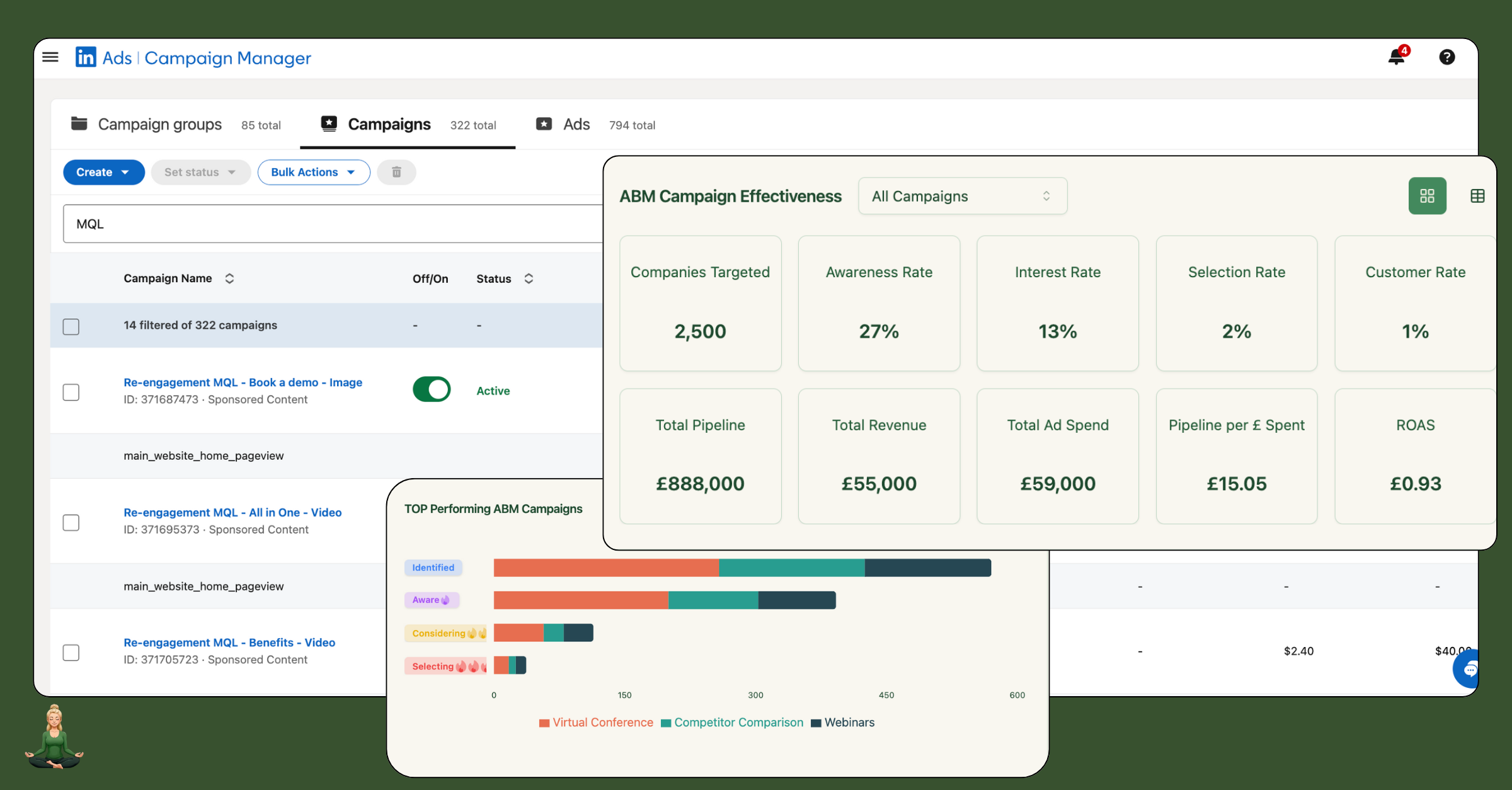
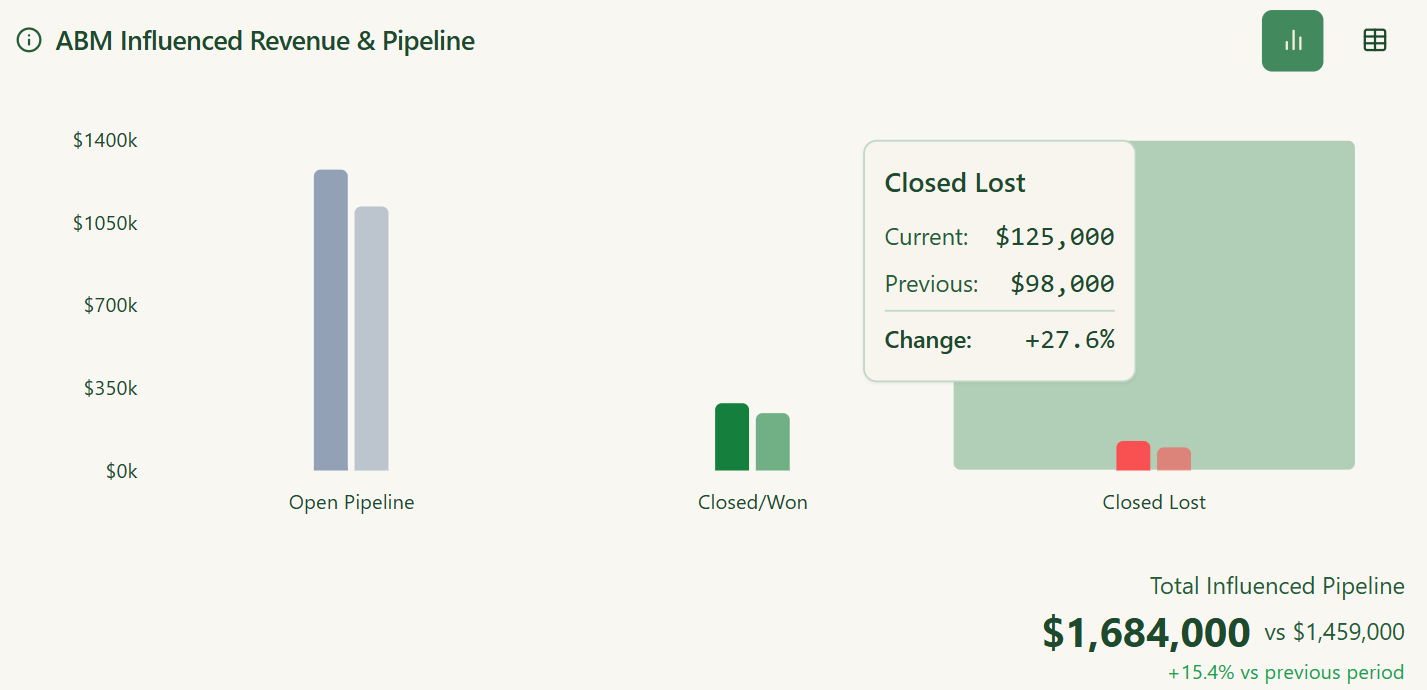
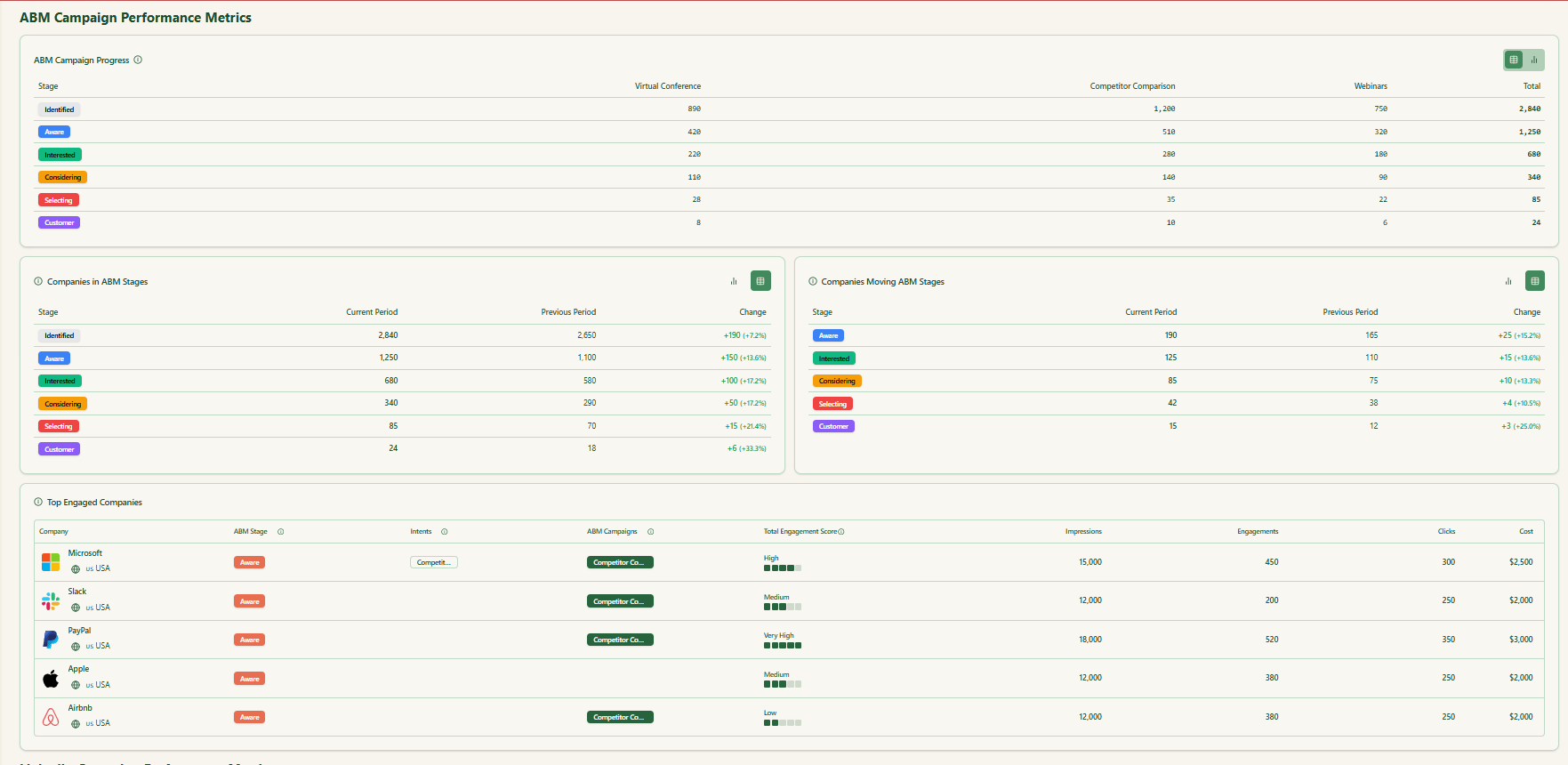
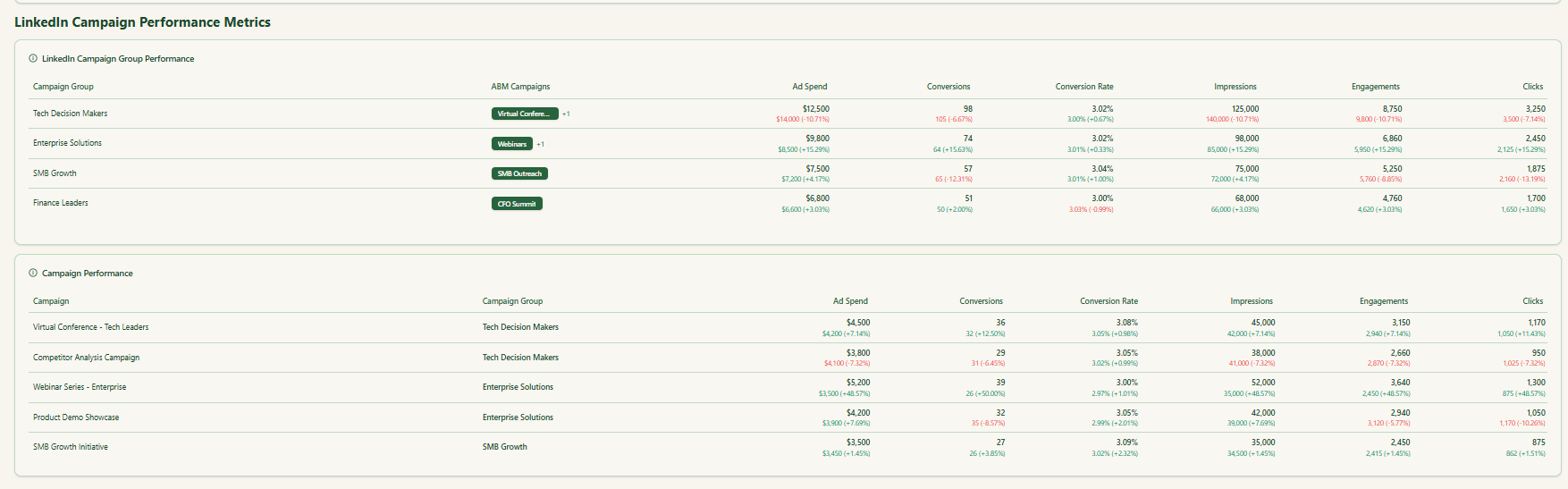
If your major ABM ad channel is LinkedIn, ZenABM is all you need to track all sorts of progress metrics and attribution details.
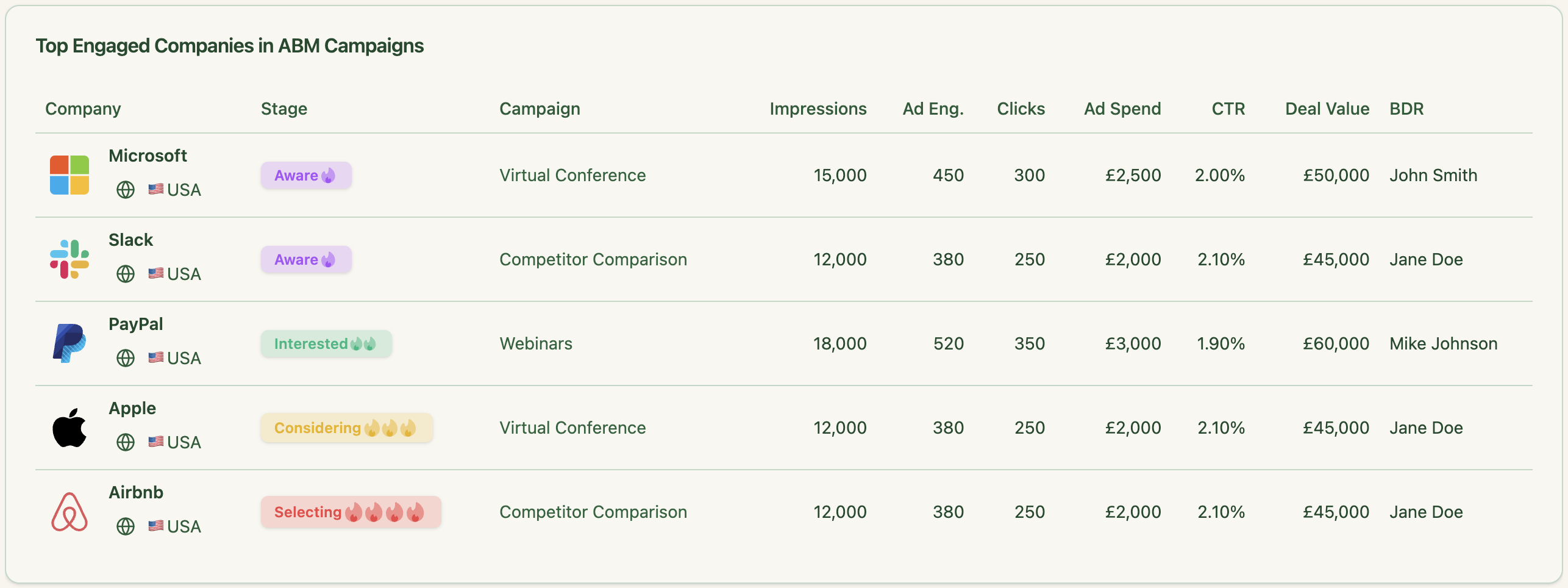

Predictive analytics turns ABM from guesswork into a structured, scalable process.
By combining account fit, intent data, and engagement patterns, teams can prioritize the right accounts, deliver timely and personalized outreach, and measure real business outcomes.
With tools like ZenABM, predictive ABM becomes practical by helping marketing and sales focus effort where it drives the most revenue.